
Selecting an elevator supplier is one of the longest-lasting procurement decisions in any construction project. The equipment installed today will operate for twenty to thirty years, and the company behind it will influence safety, running costs, and tenant experience for the entire period. Yet many developers and contractors still evaluate elevator industry companies primarily on unit price, a criterion that reveals little about how a system will perform a decade after handover.
Across the Middle East and Africa, this decision carries additional weight. Rapid urban growth in Saudi Arabia, dense mixed-use development in Lebanon, and expanding commercial construction in markets such as Congo all demand vertical transportation that performs reliably in demanding climates and, in some markets, under unstable power conditions. It is precisely in these conditions that the gap between a leading manufacturer and a marginal one becomes visible.
This article examines what actually places elevator industry companies at the top of the sector: the depth of their research and development, the standards governing their manufacturing, the safety culture they maintain, and the service networks they build. It then outlines how buyers can apply these criteria when evaluating suppliers for a new project or a modernization program.
What Sets Leading Elevator Industry Companies Apart
The elevator sector rewards consistency more than novelty. The companies that lead it are those whose engineering, production, and after-sales disciplines hold up over decades of operation. Three characteristics distinguish them reliably.
Sustained Investment in Research and Development
Innovation in vertical transportation is incremental and cumulative. Gearless permanent magnet motors, regenerative drives that return braking energy to the building’s electrical network, destination dispatch control, and machine-room-less configurations each emerged from years of sustained engineering rather than a single breakthrough.
Leading elevator industry companies treat research and development as a permanent function, not a project. Their engineering teams work continuously on drive efficiency, ride quality, noise reduction, and control intelligence, and the results appear as steady improvements across successive product generations. Energy performance is a useful indicator here: a manufacturer whose current range consumes materially less energy than its range from a decade ago is demonstrably investing in engineering, because those gains cannot come from cosmetic updates.
For buyers, the practical test is simple: ask how the company’s current products differ from what it sold five years ago, and whether it can explain the engineering behind the difference.
Manufacturing Standards and Verifiable Certifications
The second differentiator is production discipline. An elevator is a safety-critical system assembled from hundreds of components, and the quality of the finished installation depends on how those components are manufactured, tested, and traced. Companies operating their own factories control this chain directly; assemblers of third-party components of variable origin do not.
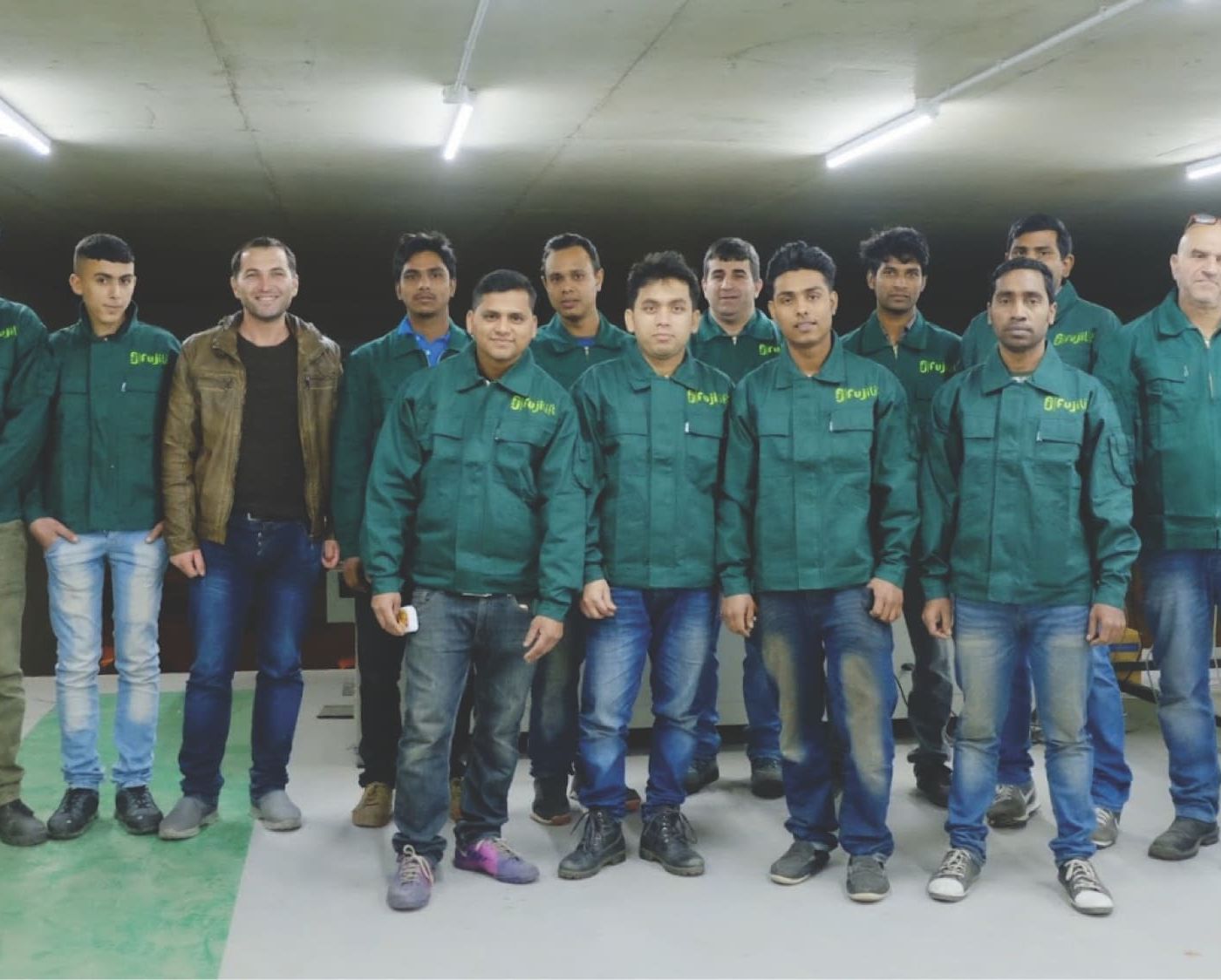
Certifications make this discipline verifiable. ISO management system certifications demonstrate that quality processes are documented, audited, and maintained rather than merely claimed. European certifications confirm that products are designed and tested against some of the most demanding safety standards in the sector, including the EN 81 series that governs passenger lift construction. FujiLift, for example, manufactures in its own factory and holds ISO and European certifications, which allows specifiers across the Middle East and Africa to verify quality claims against recognized external references rather than accepting them on trust.
A Safety Culture That Extends Across the Lifecycle
Top-tier manufacturers treat safety as a property of the whole lifecycle, not a checklist completed at installation. This shows up in three places: in design, through redundant braking systems, overspeed governors, and door protection engineered beyond minimum requirements; in installation, through trained and supervised site teams following documented procedures; and in operation, through structured maintenance programs that keep safety systems within specification year after year.
The distinction matters because most elevator incidents trace back to degraded maintenance rather than original design flaws. Companies that build strong maintenance organizations alongside their manufacturing operations are, in effect, extending their safety engineering across the entire service life of the product.
How the Competitive Landscape Among Elevator Industry Companies Is Evolving
The structure of the sector is shifting, and the shift favors companies built around long-term relationships rather than one-time transactions.
From Equipment Suppliers to Lifecycle Partners
Building owners increasingly evaluate vertical transportation on total cost of ownership rather than purchase price. Energy consumption, maintenance contracts, spare parts availability, and modernization pathways all enter the calculation, because together they typically exceed the initial equipment cost over a system’s operating life.
This has pushed serious elevator industry companies toward a lifecycle model: engineering products for efficiency and durability, offering structured maintenance plans and extended warranties, and providing modernization options that upgrade drives, controllers, and cabins without full replacement. Manufacturers unable to support this full arc are gradually confined to the price-driven end of the market.
Energy efficiency sits at the center of this evolution. As green building frameworks gain traction across the GCC and financing increasingly rewards efficient assets, the ability to deliver regenerative drives, LED cabin systems, and intelligent standby modes has become a competitive requirement rather than a premium option.
Regional Presence and Service Proximity
The second structural shift is geographic. In the Middle East and Africa, the companies gaining ground are those with genuine regional presence: local installation teams, locally held spare parts, and service technicians who can reach a site quickly. A globally recognized name provides little comfort when a hospital elevator is out of service and the nearest qualified technician is a flight away.
Manufacturers that combine international production standards with regional operational depth hold a durable advantage in these markets. FujiLift’s installations across Lebanon, Saudi Arabia, and Congo reflect this model, pairing factory-controlled manufacturing with project delivery and support on the ground in the markets it serves.
How to Evaluate Elevator Industry Companies for Your Project
For developers, architects, and building owners, the criteria above translate into a practical evaluation framework.
Assess Factory Capability, Not Just the Catalogue
Request evidence of where and how the equipment is manufactured. A company with its own production facility can demonstrate quality control procedures, component traceability, and testing protocols directly. Verify ISO and European certifications with the issuing bodies, confirm that their scope covers the products being offered, and where possible visit completed installations of comparable scale and age to see how the equipment performs after several years of service.
Examine the Service Network Behind the Installation
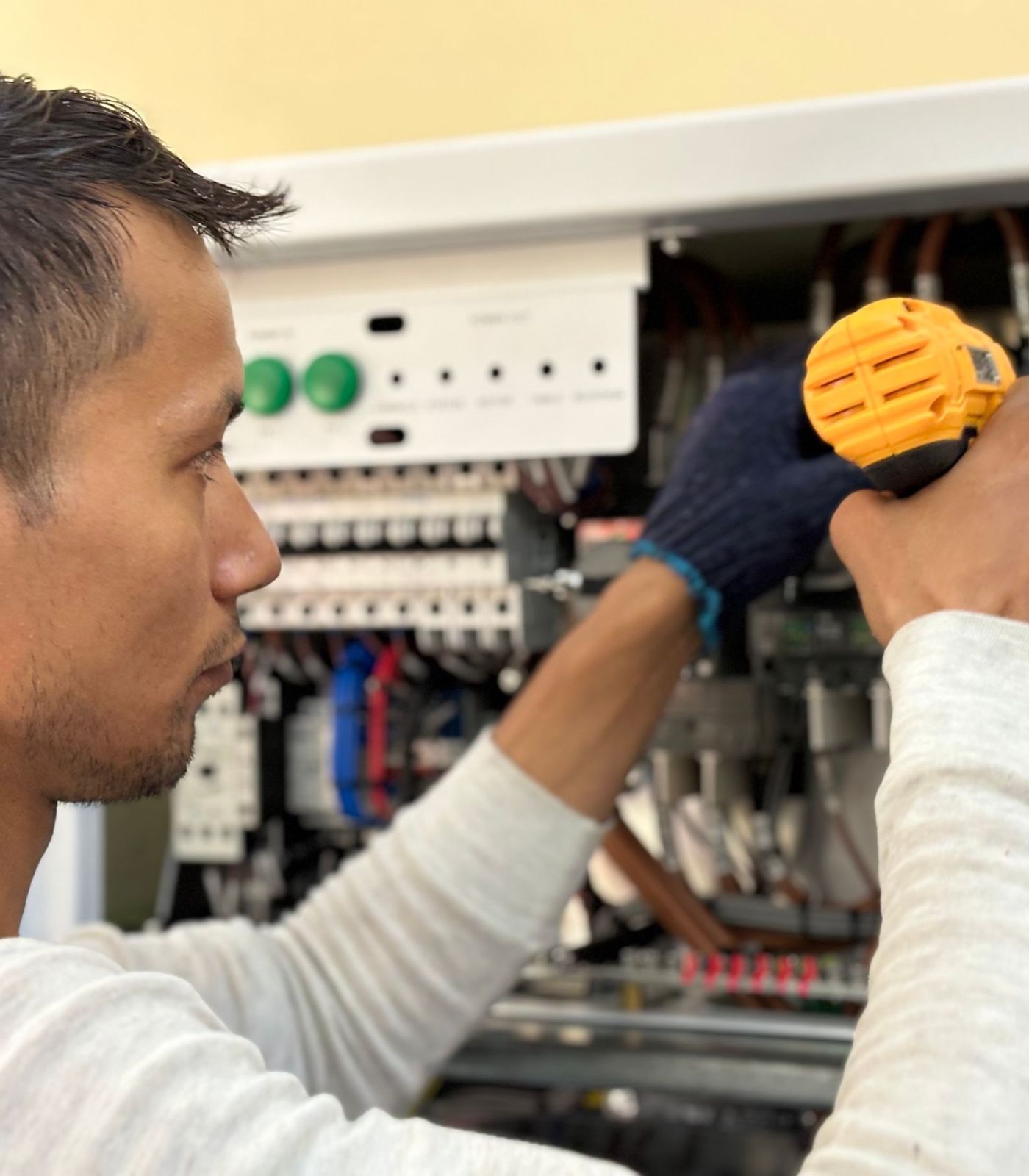
Then evaluate everything that happens after handover. Ask how many technicians the company maintains in your market, what its guaranteed response times are, and how spare parts are stocked and sourced. Review the structure of the maintenance plans on offer, including what preventive work is covered and how safety inspections are documented. Finally, ask about modernization: a supplier that can articulate a credible upgrade path for the equipment it sells today is signaling that it expects to be accountable for that equipment decades from now. A full view of a manufacturer’s range, from passenger elevators to freight and hospital systems, also indicates whether it can support a diverse building portfolio under a single service relationship.
Elevator Industry Companies FAQ
What certifications should a reliable elevator company hold?
At minimum, look for ISO management system certifications covering quality processes and compliance with the European EN 81 series of lift safety standards, which are widely referenced across the Middle East and Africa. Certifications should be current, verifiable with the issuing body, and scoped to the actual products being supplied. Treat any certification claim that cannot be documented as a warning sign.
Why does owning a factory matter when choosing an elevator company?
A manufacturer with its own factory controls component quality, testing, and traceability across the entire production chain, rather than depending on third-party assemblers of variable standard. This control typically translates into more consistent build quality, better spare parts availability, and clearer accountability when issues arise. It also enables the manufacturer to engineer improvements, such as more efficient drives, directly into its product line.
How important is the service network compared to the equipment itself?
Over a twenty to thirty year operating life, the service organization matters as much as the original equipment. Maintenance quality determines whether safety systems stay within specification, how long the system lasts, and how much it costs to run. A well-engineered elevator supported by a weak service network will underperform a good elevator backed by a strong local maintenance team.
Contact FujiLift to Discuss Your Next Vertical Mobility Project
The companies driving innovation in the elevator sector share a recognizable profile: sustained engineering investment, certified manufacturing, a lifecycle approach to safety, and genuine service presence in the markets they serve. FujiLift applies this model across the Middle East and Africa, manufacturing in its own certified factory and supporting installations in Lebanon, Saudi Arabia, and Congo with structured maintenance plans and extended warranties. Contact our team to discuss the vertical mobility requirements of your next project.