
The global elevator industry is entering a period of structural transformation. Rapid urbanization, the rise of intelligent buildings, and tightening sustainability requirements are reshaping how vertical transportation systems are specified, manufactured, and serviced. For developers, architects, and contractors operating across the Middle East, Africa, and emerging markets, understanding the elevator industry outlook is essential to making informed long-term decisions in 2026.
This article examines the forces driving the market this year, the regional dynamics specific to MENA and Sub-Saharan Africa, and what stakeholders should anticipate when planning new projects or modernization programs.
Key Drivers Shaping the Elevator Industry Outlook
Three structural forces are defining the global trajectory of the elevator sector in 2026. Each operates at a different scale, but together they form the foundation of the current elevator industry outlook.
Urbanization and Vertical Growth
Global urbanization continues to accelerate, with the United Nations projecting that nearly 70 percent of the world population will live in cities by 2050. This demographic shift drives sustained demand for vertical construction, particularly in regions where land scarcity and population density push developments upward.
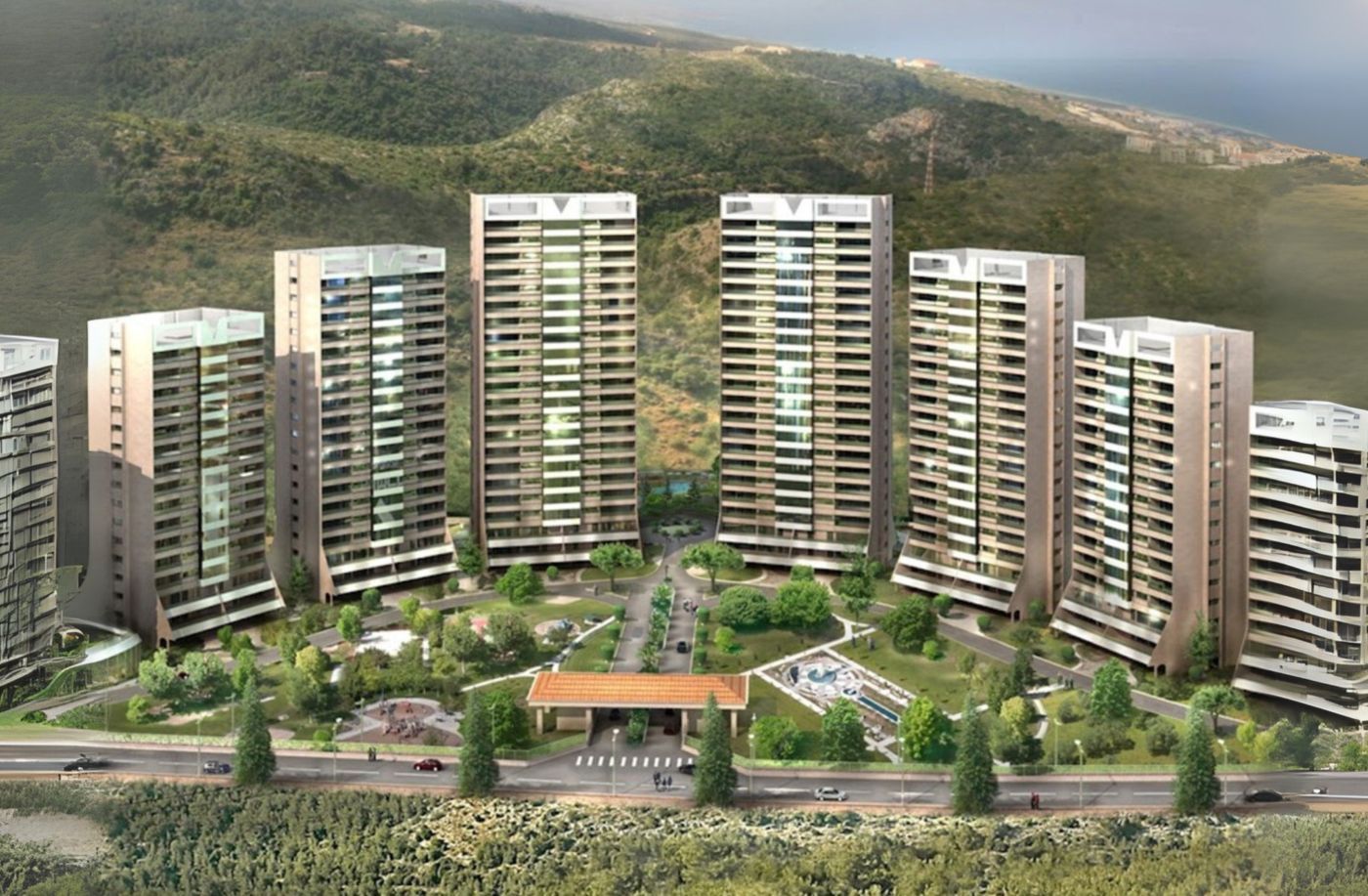
In capitals such as Riyadh, Beirut, Cairo, and Kinshasa, the move toward taller residential and mixed-use towers directly translates into higher demand for high-rise elevator systems capable of handling complex traffic patterns and long travel distances.
Smart Buildings and Digitalization
Elevators are increasingly viewed as integrated components of broader building intelligence systems. Destination dispatch algorithms, predictive maintenance platforms, and IoT-enabled diagnostics are becoming standard features rather than premium options.
The integration of elevators with building management systems allows operators to optimize energy consumption, anticipate component wear, and reduce downtime. In 2026, the convergence between elevator control systems and AI-driven building platforms is accelerating, with predictive analytics moving from pilot phase to mainstream deployment.
Sustainability Demands
Environmental performance is no longer a secondary consideration. Regenerative drives, LED lighting, standby modes, and lightweight materials are now expected across most product categories. Green building certifications such as LEED, EDGE, and Mostadam in Saudi Arabia have made elevator efficiency a measurable contributor to overall building performance.
This regulatory and market pressure is reshaping product roadmaps across the industry, with manufacturers prioritizing energy recovery technologies and lower embodied carbon in their components.
Elevator Industry Outlook in the Middle East and Africa
While global trends set the broad direction, regional dynamics in the Middle East and Africa create distinct opportunities and constraints. The elevator industry outlook in these markets is shaped by infrastructure ambition, demographic growth, and evolving regulatory frameworks.
Infrastructure and Mega Projects
Saudi Arabia’s Vision 2030 program, the development of NEOM, and large-scale urban expansion projects across the Gulf continue to generate sustained demand for advanced vertical transportation. These projects require elevators engineered for extreme heights, high passenger volumes, and demanding climatic conditions.
In parallel, infrastructure investment in Central and East Africa is creating new demand in cities such as Kinshasa, Nairobi, and Addis Ababa, where commercial and institutional buildings are reshaping urban skylines. Several new airport, hospital, and mixed-use developments scheduled for delivery in 2026 and 2027 are driving order books across the region.
Residential and Commercial Growth
Beyond mega projects, the broader residential and commercial market continues to expand. In Lebanon, despite ongoing economic pressures, the renovation and modernization segment remains active, particularly for mid-rise residential buildings requiring updated systems that meet contemporary safety and efficiency standards.
Across the Gulf, growing populations and rising household incomes support continued demand for both standard passenger elevators and premium configurations in high-end developments.
Regulatory Evolution
Safety and efficiency regulations across the region are converging toward international standards such as EN 81-20 and EN 81-50. Saudi Arabia, the UAE, and several African markets have updated or are in the process of updating their national codes, which raises the technical baseline for new installations and existing modernizations.
This regulatory tightening favors manufacturers capable of delivering certified, fully compliant systems with documented testing and traceability.
What Developers Should Expect from the Market
For developers planning projects in 2026 and beyond, the elevator industry outlook carries several practical implications. Anticipating these shifts during the design phase can significantly affect project economics and long-term performance.
Technology Adoption
Smart features that were considered optional five years ago are now standard expectations in mid-market and premium segments. Touchless controls, remote diagnostics, and integration with mobile applications are increasingly specified by end clients, particularly in commercial and hospitality projects.
Developers should plan for these capabilities from the design stage rather than retrofitting them after installation, which is typically more costly and less efficient.
Cost and Supply Chain Trends
The global supply chain for elevator components has stabilized compared to the volatility of previous years, but raw material costs, particularly for steel, copper, and electronic components, remain sensitive to geopolitical conditions. Lead times for specialized configurations such as panoramic systems or custom freight units should be factored into project schedules early.
Working with manufacturers that maintain regional inventory and engineering support helps mitigate these risks, particularly in markets where customs and logistics introduce additional variability.
Long-Term Service Models
The shift toward service-based business models is one of the most consequential changes for developers. Maintenance contracts now frequently include performance guarantees, predictive analytics, and remote monitoring, transforming what was once a reactive expense into a strategic operational asset.
Selecting a partner with strong local maintenance capabilities is becoming as important as the initial equipment specification, particularly for buildings with long operational horizons.
Elevator Industry Outlook FAQ
Which regions will see the fastest growth?
The Asia-Pacific region remains the largest market in absolute terms, driven by China and India. However, the Middle East, particularly Saudi Arabia and the UAE, is experiencing some of the highest growth rates globally, supported by mega-project pipelines. Sub-Saharan Africa is emerging as a longer-term growth frontier, with sustained urbanization fueling demand throughout 2026 and beyond.
How will technology change elevator design?
Three areas are evolving most rapidly: machine-room-less configurations that reduce architectural footprint, regenerative drives that recover energy during operation, and AI-driven maintenance platforms that shift servicing from scheduled to predictive. These changes affect both new installations and modernization projects across the existing building stock.
What challenges lie ahead?
The principal challenges include rising regulatory complexity, the need for specialized technical skills in installation and maintenance, and the cybersecurity implications of connected systems. Markets with limited local technical capacity may face longer adoption curves for advanced features, even when demand exists.
Explore FujiLift’s Elevator Solutions for Your Next Project
Whether you are planning a high-rise development in Riyadh, a residential project in Beirut, or a commercial building in Kinshasa, aligning your vertical transportation strategy with the current market trajectory is essential. FujiLift delivers engineered elevator solutions designed for the specific demands of the Middle East and Africa, supported by regional expertise and long-term service capabilities. Contact our team to discuss the configuration best suited to your next project.