
Elevator systems are a vital part of modern buildings, ensuring seamless vertical transportation for residents, employees, and visitors. A well-structured elevator maintenance checklist is essential to guarantee both passenger safety and the long-term performance of every installation. At FujiLift, maintenance excellence lies at the heart of our commitment to innovation and reliability — particularly in rapidly developing regions like the Middle East and Africa.
Why Elevator Maintenance Is Critical for Building Safety
The Link Between Preventive Maintenance and Passenger Safety
Preventive maintenance is the foundation of safe and efficient elevator operation. Regular inspections help identify wear and tear in components such as cables, brakes, and doors before they pose a hazard. Routine lubrication, calibration, and performance testing reduce the risk of sudden breakdowns that can endanger passengers or disrupt daily building operations.
FujiLift’s approach to maintenance emphasizes early detection through systematic checklists and digital reporting tools, ensuring every unit meets international safety standards.
Common Risks of Neglecting Regular Inspections
Neglecting maintenance can lead to a range of issues, from uneven leveling and delayed doors to critical component failures. In high-rise environments such as Beirut or Riyadh, a malfunctioning elevator can quickly compromise both safety and accessibility. Regular checks also protect property managers from costly repairs, legal penalties, and negative tenant experiences.
The Role of Maintenance in Regulatory Compliance
Governments across the Middle East and Africa are tightening regulations to enhance elevator safety. Compliance with local standards and international certifications is now mandatory for all buildings. A well-documented elevator maintenance checklist ensures adherence to these regulations, helping architects and building owners maintain both operational integrity and public trust.
Core Components of an Elevator Maintenance Checklist
Visual and Operational Inspections
Every service visit begins with a comprehensive visual inspection. Technicians check for vibration, noise, alignment issues, and visible damage to panels or lighting. Operational testing ensures smooth travel, accurate floor leveling, and precise door operation, all essential for user comfort and safety.
Learn more about FujiLift’s maintenance expertise and how it helps sustain performance over decades of use.
Electrical and Control System Testing
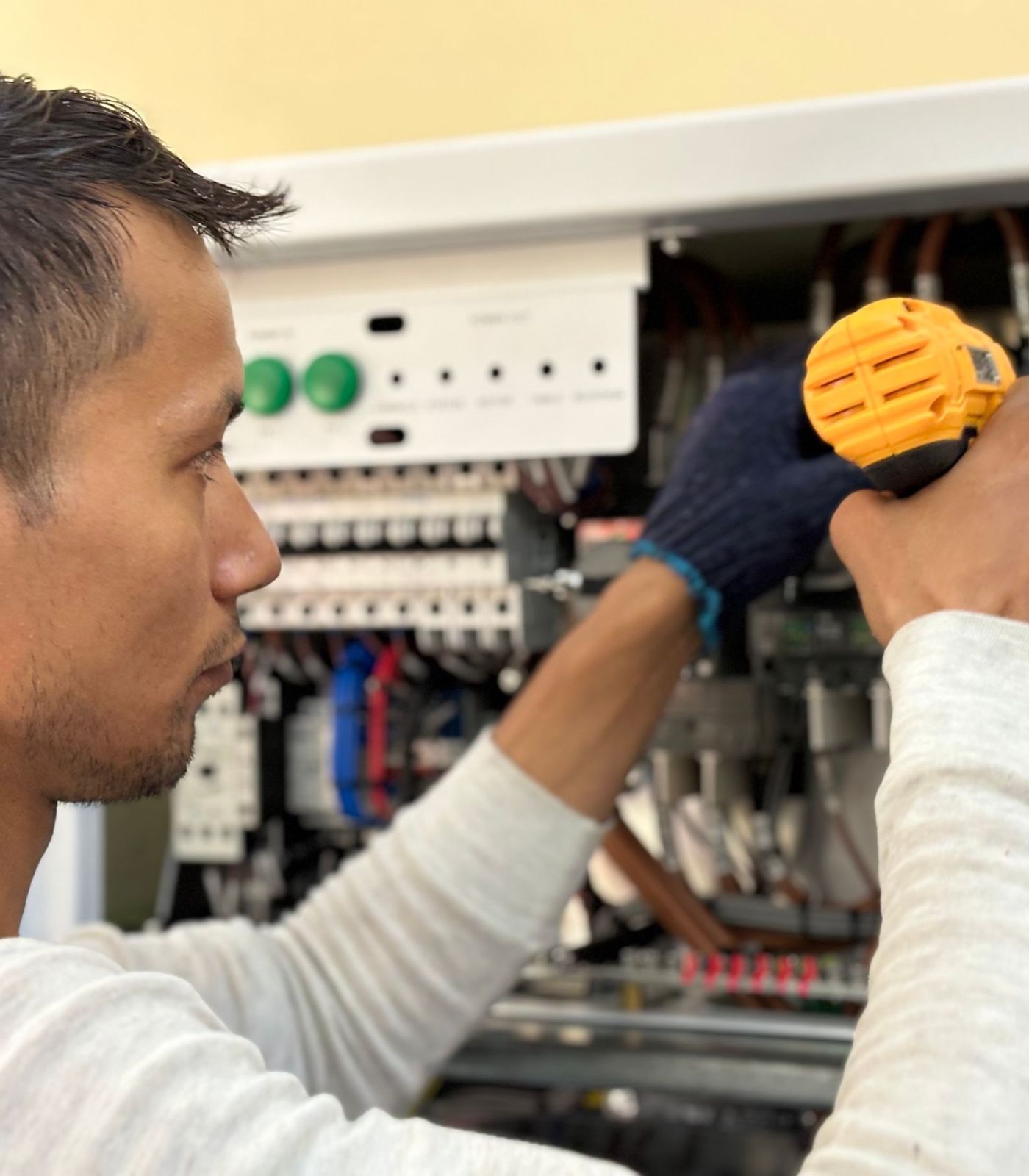
Electrical and control systems are the elevator’s nervous system. Regular testing includes checking wiring insulation, control panels, limit switches, and emergency systems. Smart diagnostics help detect voltage irregularities or logic faults before they disrupt service. These inspections are especially crucial in regions with unstable power conditions or high humidity, like coastal Lebanon or Central Africa.
Door Mechanisms, Cables, and Safety Devices
Doors are among the most frequently used and stressed components. Maintenance teams inspect sensors, rollers, and clutch mechanisms to prevent entrapment risks. Hoist cables and counterweights undergo tension tests and visual assessment for corrosion or fraying. Safety devices, from governors to buffers, are verified to ensure instant response during emergencies.
Advanced Maintenance Practices for Modern Elevators
Smart Monitoring and Predictive Maintenance Tools
Modern elevator systems now integrate IoT-based sensors that transmit real-time performance data. Predictive maintenance allows service teams to anticipate failures before they occur, reducing downtime and improving safety. FujiLift’s maintenance programs leverage digital dashboards to analyze trends and schedule interventions proactively, particularly for high-traffic installations like mid-rise and high-rise projects.
Eco-Friendly Lubrication and Energy Optimization
Sustainability has become a defining factor in elevator modernization. Using eco-friendly lubricants, energy-efficient LED lighting, and regenerative drives helps lower a building’s carbon footprint. Regular maintenance ensures these systems continue operating at peak efficiency, aligning with green building goals across the Gulf and Sub-Saharan Africa.
Modernization Opportunities During Maintenance
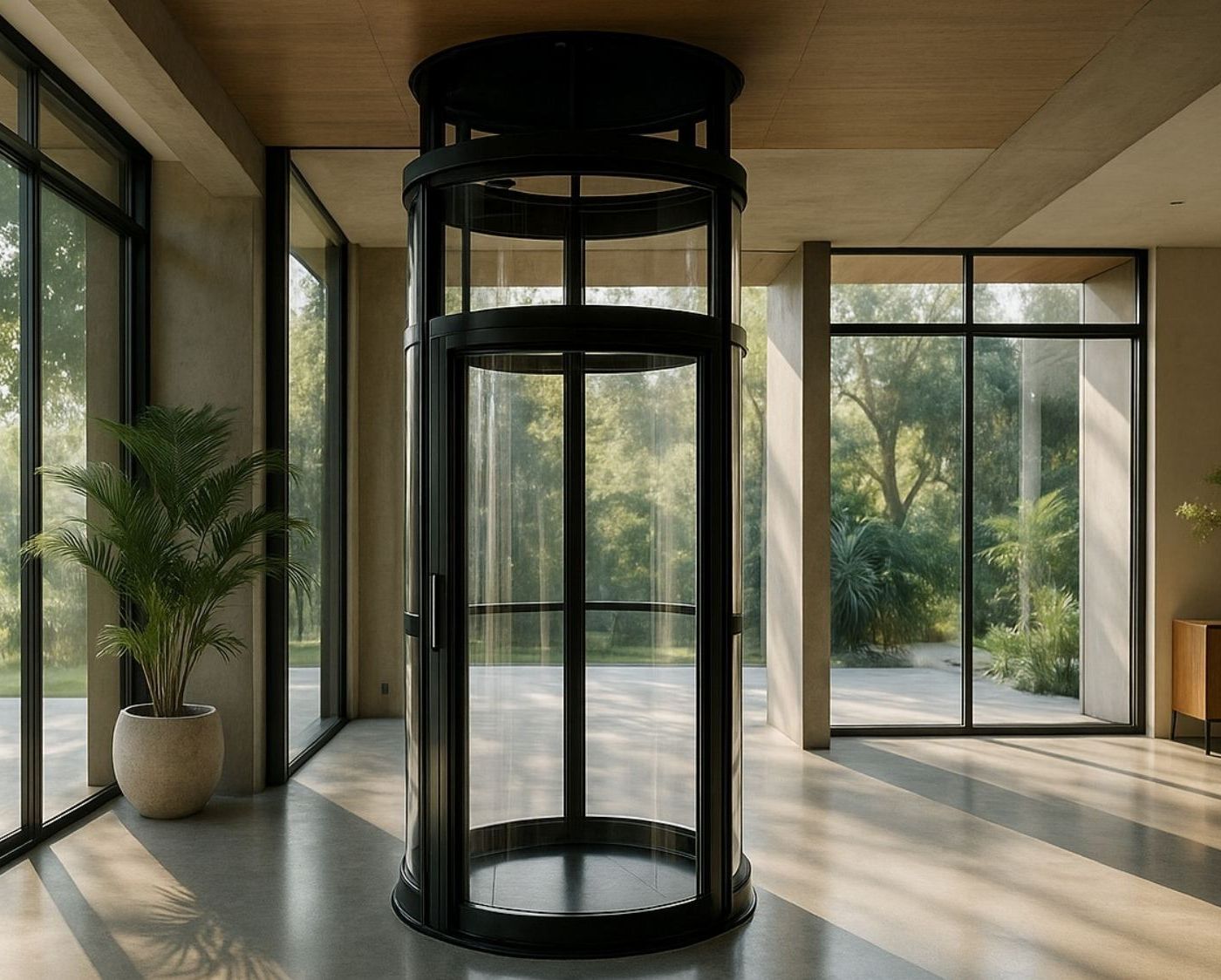
Maintenance visits often reveal opportunities for performance upgrades. Whether replacing aging controllers or integrating digital displays, modernization enhances safety, efficiency, and passenger experience. Building owners can consider transitioning older units to advanced models such as passenger elevators or panoramic elevators that align with contemporary design and functionality standards.
Regional Maintenance Standards in the Middle East & Africa
Adapting Maintenance Schedules to Harsh Climate Conditions
Climate plays a major role in determining maintenance frequency. In hot, humid, or dusty environments, like those in Saudi Arabia or the Congo — elevator components face accelerated wear. FujiLift adapts its maintenance schedules and materials to withstand these challenges, ensuring reliable performance year-round.
Local Regulations and Safety Requirements
Each market has its own safety codes and inspection procedures. Lebanon, for instance, requires annual certifications, while Gulf countries mandate preventive maintenance under local municipality supervision. FujiLift’s regional teams stay updated with these evolving standards, guaranteeing every project meets local legal requirements and safety expectations.
How FujiLift Ensures Consistent Quality Across Regions
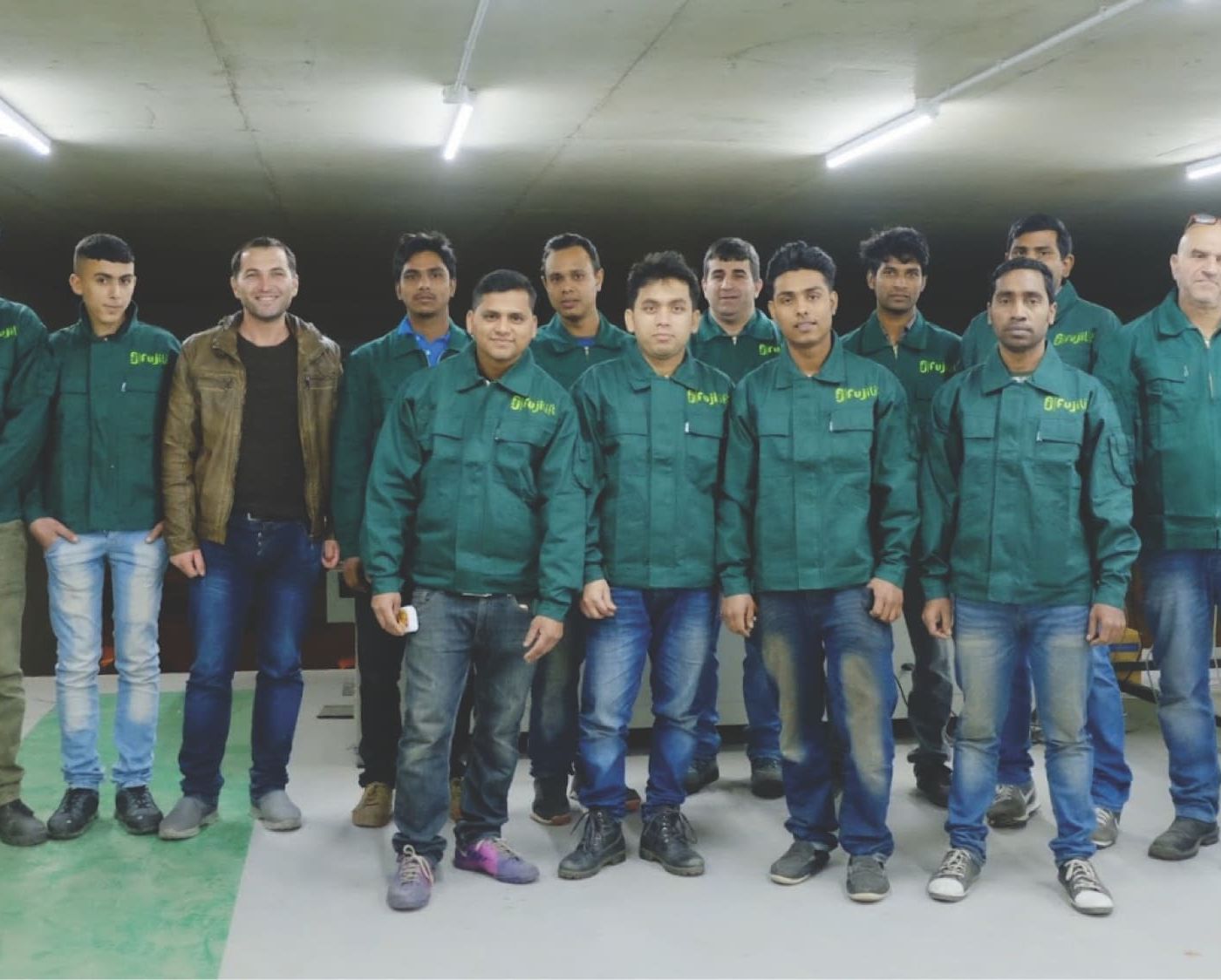
FujiLift maintains uniform quality control through standardized procedures and continuous technician training. Our maintenance operations across the Middle East and Africa follow strict documentation protocols, with regular audits ensuring consistency and compliance. From urban towers in Jeddah to residential complexes in Kinshasa, every elevator receives the same meticulous attention.
FAQ – Elevator Maintenance Essentials
How often should elevators be maintained?
Elevators should undergo professional maintenance at least once per month, depending on usage intensity and building type. For high-traffic commercial spaces, biweekly inspections may be necessary to sustain performance and safety standards.
What does a professional maintenance visit include?
A standard visit covers visual, mechanical, and electrical checks, including door operation, braking systems, control panels, and lubrication. FujiLift’s certified technicians also provide a digital maintenance report after every inspection for full transparency.
How can building owners track maintenance performance?
Building owners can track performance through digital maintenance logs and predictive dashboards. FujiLift’s service reports include detailed metrics on uptime, part replacements, and recommended upgrades, helping owners make informed operational decisions.
Partner with FujiLift for Reliable Maintenance and Modernization
A comprehensive elevator maintenance checklist is the key to safety, efficiency, and long-term value. FujiLift combines precision engineering with region-specific expertise to deliver world-class maintenance and modernization services.
Whether maintaining residential homelifts or upgrading commercial systems, FujiLift ensures every elevator operates with the highest standards of reliability and safety. Contact us today to secure a maintenance plan tailored to your building’s needs and regional environment.