
A large share of the elevator stock operating across the Middle East and Africa was installed fifteen, twenty, or thirty years ago. In Lebanon, buildings from earlier construction cycles run equipment designed long before current safety and efficiency standards existed. In Saudi Arabia and the wider Gulf, even relatively young buildings from the 2000s now house systems that fall short of what tenants, insurers, and regulators expect today. Meanwhile the buildings themselves remain structurally sound, which makes wholesale demolition or elevator replacement an unattractive answer.
Elevator modernisation exists for exactly this situation. Rather than replacing the entire installation, modernisation systematically upgrades the components that determine performance, safety, and energy consumption, while retaining the elements that still have decades of useful life. Done well, it delivers most of the benefits of a new installation at a fraction of the cost and disruption.
This article explains what a modernisation programme actually involves, how it improves efficiency and safety in measurable ways, and how building owners should structure the planning process from assessment to execution.
What Elevator Modernisation Involves
Modernisation is a structured engineering exercise, not a bundle of repairs. It starts from a technical assessment of the existing installation and produces a scope that targets the components with the greatest impact on safety, reliability, and operating cost.
Components Typically Addressed
Most modernisation programmes concentrate on four areas. The controller and drive system come first, since control technology evolves faster than mechanical components and old relay-based or early electronic controllers are the most common source of unreliability. Second, the machine itself: replacing an aging geared machine with a modern gearless permanent magnet unit transforms both energy consumption and ride quality. Third, door operators and landing door equipment, which account for a majority of service callbacks in older systems. Fourth, the cabin interior, signalization, and lighting, which shape how passengers perceive the entire building.
Elements such as guide rails, the shaft structure, and counterweight systems frequently remain serviceable for the life of the building and are retained, which is precisely why modernisation costs substantially less than full replacement.
How Modernisation Differs from Repair and Replacement
Repair restores a failed component to its previous condition; it does not change what the installation is capable of. Full replacement removes everything, including components with remaining life, and typically requires the longest downtime and the highest budget. Modernisation sits deliberately between the two: it re-engineers the performance-critical layers of the system around the sound existing infrastructure. For most buildings between fifteen and thirty years old, it is the option with the strongest lifecycle economics.
How Elevator Modernisation Improves Efficiency and Safety
The case for modernisation rests on outcomes that can be observed and measured after the work is complete: lower energy consumption, alignment with current safety expectations, and fewer failures.
Energy Efficiency Gains
Energy is where modernisation delivers some of its most quantifiable returns. Replacing a geared drive with a gearless permanent magnet machine and a modern regenerative drive can reduce elevator energy consumption by twenty to forty percent depending on traffic patterns, because braking energy is returned to the building’s electrical network instead of being dissipated as heat. LED cabin lighting, standby modes that power down lighting and ventilation when the cabin is idle, and smarter dispatching logic add further savings on top of the drive-related gains.
In markets where electricity is expensive or unreliable, these improvements carry extra weight. Lower consumption reduces operating cost directly, and in buildings running on generator backup during grid outages, a common reality in Lebanon, an efficient elevator places less strain on limited backup capacity.
Safety and Code Alignment
Elevator safety technology has advanced considerably over the past two decades. Modernisation brings older installations in line with current expectations by introducing features such as improved door protection with full-height light curtains, accurate leveling to eliminate trip hazards at landings, emergency communication systems, and controllers with modern self-diagnostic capability. Where local regulation has evolved since the original installation, modernisation is often the practical mechanism for achieving compliance without rebuilding the installation from scratch.
The safety benefit is not limited to passengers. Modern controllers and machines also improve conditions for maintenance technicians, with better diagnostics, safer access, and predictable behavior during interventions.
Ride Quality and Reliability
Older installations reveal their age through the passenger experience: abrupt starts, vibration during travel, imprecise stops, and doors that hesitate or reverse without cause. Modern drives with smooth acceleration profiles, new door operators, and precise positioning systems remove these irritations. Reliability improves in parallel, since the components most prone to failure in aging systems, chiefly controllers and door equipment, are exactly the ones modernisation replaces. Building owners typically see callback frequency fall significantly after a well-scoped programme.
Planning a Modernisation Programme
The difference between a smooth modernisation and a disruptive one is almost always in the planning. Two disciplines matter most: rigorous assessment before committing to a scope, and realistic phasing.
Assessment and Scoping
A credible programme begins with a technical survey of the existing installation: the condition of each major component, the service history, current traffic patterns, and applicable regulatory requirements. This assessment determines which components genuinely need replacement and which can be retained, and it should produce a scope with clear priorities rather than a generic package. The maintenance log is a critical input here, which is one more reason disciplined record keeping pays off over an installation’s life.
Owners should also use the assessment stage to think beyond like-for-like. If the building’s use has changed, if traffic has grown, or if accessibility requirements now apply, modernisation is the natural moment to address them. Reviewing reference installations, such as those in FujiLift’s project portfolio, helps owners calibrate what a finished programme can deliver.
Phasing to Minimize Disruption
Modernisation takes an elevator out of service for a period that varies with scope, and in occupied buildings this must be managed deliberately. Buildings with multiple elevators typically modernise one unit at a time so vertical transportation is never fully interrupted. Single-elevator buildings need more careful planning: scheduling work during low-occupancy periods, sequencing the scope so out-of-service time is compressed, and communicating clearly with residents or tenants well in advance. An experienced provider will build the phasing plan into the proposal rather than treating downtime as an afterthought.
Elevator Modernisation FAQ
How long does an elevator modernisation take?
Duration depends on scope. A focused upgrade covering the controller, drive, and door operators typically takes a few weeks per elevator, while a comprehensive programme including the machine and full cabin renewal can extend to several months. A detailed assessment allows the provider to commit to a realistic schedule before work begins, and phasing across multiple units keeps the building served throughout.
How do I know which components need modernising?
The reliable answer comes from a technical assessment combining the equipment’s age, its documented service history, and an inspection of each major subsystem. Frequent callbacks, poor leveling, rough rides, long waiting times, and rising energy costs are the common symptoms that trigger an assessment. Components are then prioritized by their impact on safety, reliability, and operating cost.
Does modernisation increase property value?
A modernised elevator improves the attributes that tenants and buyers evaluate directly: reliability, ride comfort, appearance, safety, and energy cost. In competitive rental markets, elevator condition influences tenant retention and the rents a building can command, and documented compliance with current standards strengthens the asset’s position with insurers and institutional buyers. While the premium varies by market, the direction is consistently positive.
Partner with FujiLift for Your Elevator Modernisation Project
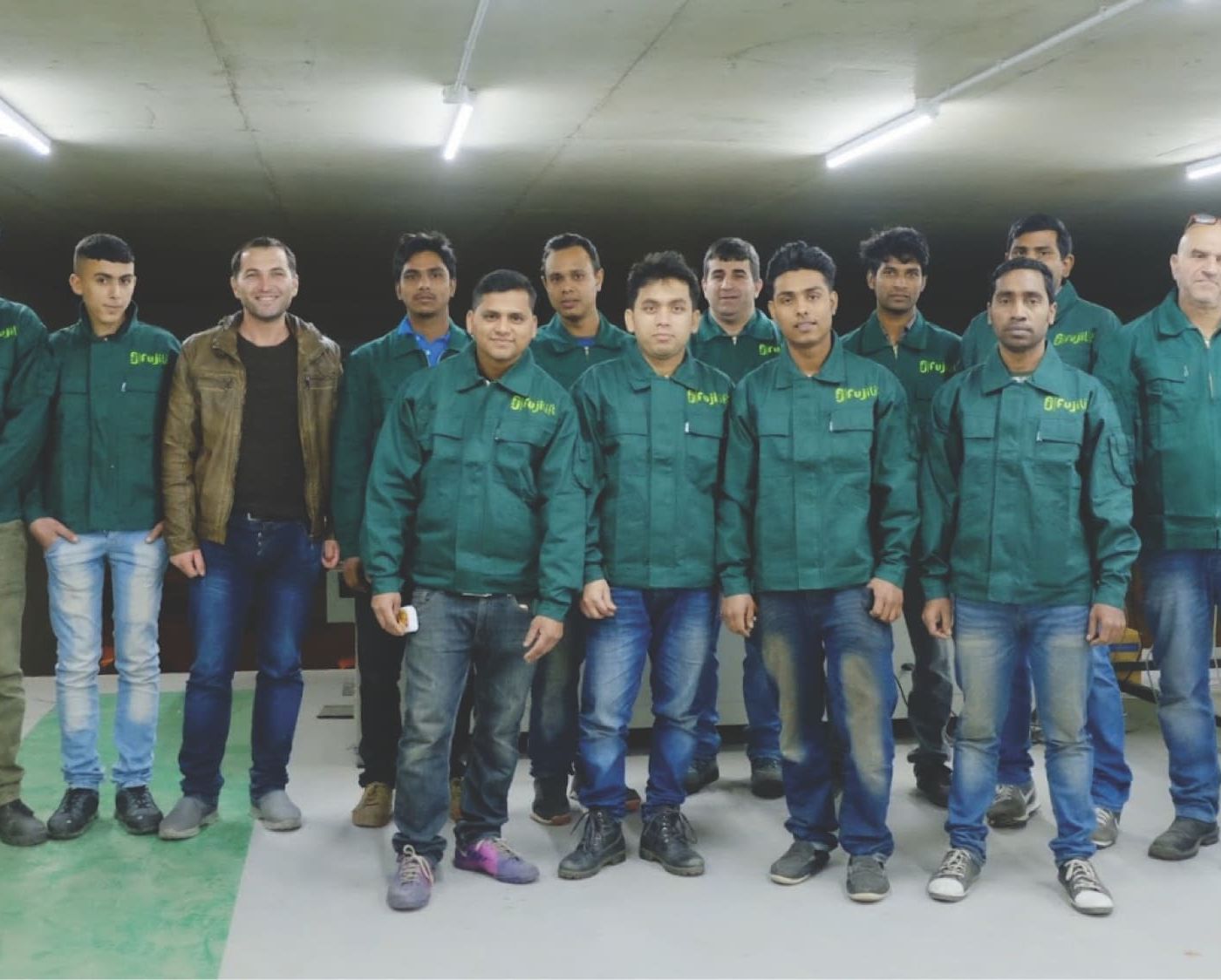
Modernisation rewards owners who work with a partner capable of assessing honestly, scoping precisely, and executing with original-manufacturer discipline. FujiLift designs, manufactures, and installs elevators across the Middle East and Africa from its own factory, holds ISO and European certifications, and backs modernisation work with maintenance plans and extended warranty options. Contact FujiLift to arrange an assessment of your installation and a modernisation scope built around your building’s actual needs.