
Glass elevators have moved beyond niche architectural statements to become a defining feature of high-end developments worldwide. Once limited to hotels and landmark buildings, the modern glass elevator is now increasingly specified in premium residential towers, corporate headquarters, and mixed-use projects. This shift reflects broader trends in design transparency, user experience, and the integration of technology into vertical mobility.
In fast-growing markets across the Middle East and Africa, glass elevators are not only aesthetic choices but strategic investments aligned with innovation, safety, and long-term building value.
What Is a Glass Elevator and Why It’s Gaining Popularity
Definition and Core Design Principles
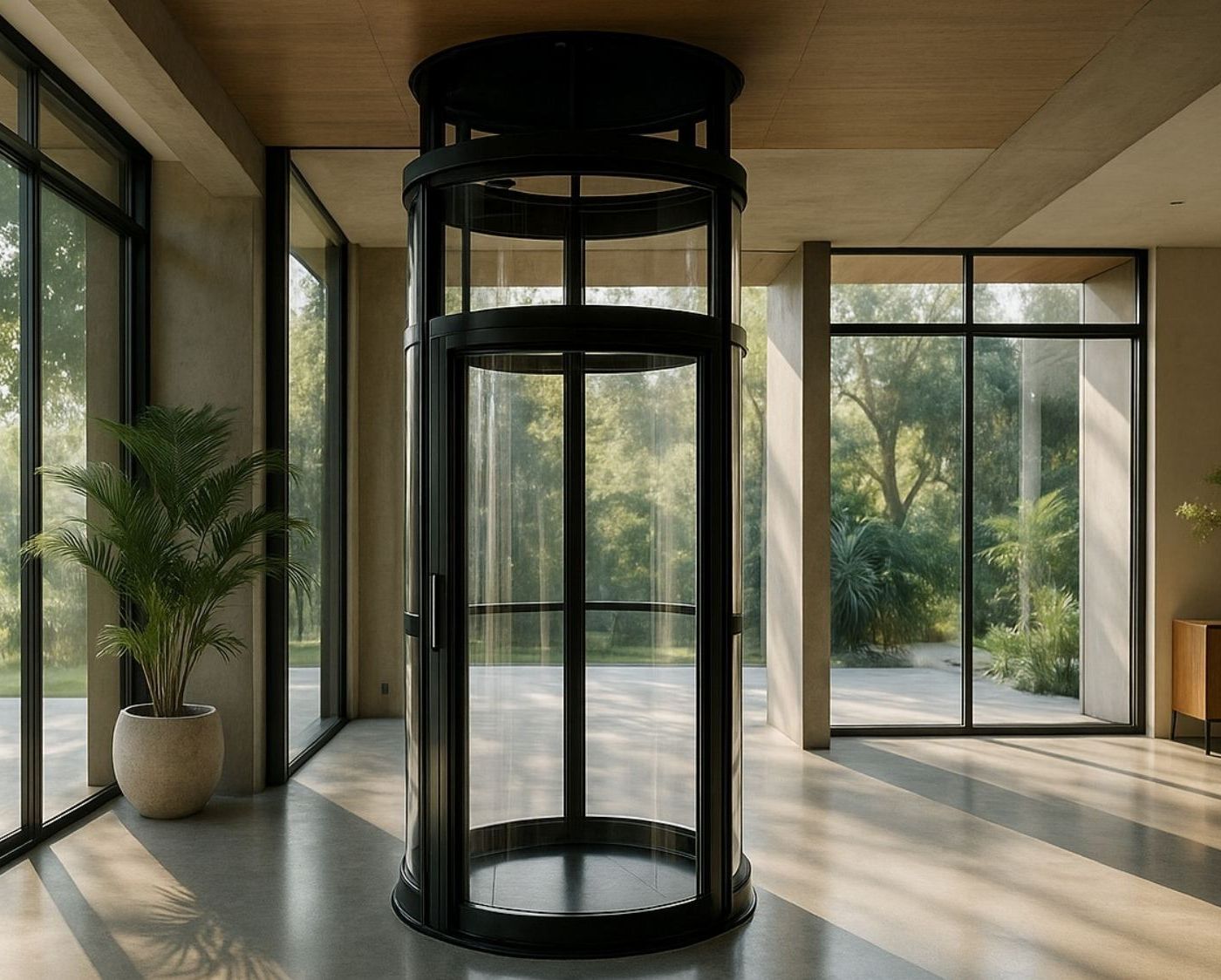
A glass elevator is an elevator system where the cabin walls, and sometimes the shaft, are partially or fully constructed from laminated safety glass. Unlike traditional enclosed cabins, these systems emphasize visibility, natural light, and openness while meeting the same structural and safety requirements as conventional elevators.
Modern glass elevator designs combine reinforced glass panels with steel or aluminum frames, advanced drive systems, and precise control technology to ensure stability, comfort, and durability.
From Functional Transport to Architectural Feature
Elevators were historically treated as purely functional infrastructure. In contemporary high-end developments, they are increasingly viewed as part of the architectural narrative. A glass elevator can:
- Create visual continuity between floors
- Enhance vertical circulation areas such as atriums and lobbies
- Showcase views in scenic or urban environments
This transformation aligns elevators more closely with interior design and spatial planning decisions.
Alignment with Luxury Building Trends
Luxury developments increasingly prioritize openness, natural light, and experiential design. Glass elevators fit naturally within these priorities, supporting:
- Minimalist and contemporary architectural styles
- Premium materials and finishes
- A sense of openness even in high-density buildings
As a result, glass elevator solutions are now specified early in the design phase rather than added as optional upgrades.
Glass Elevator Design Trends in High-End Developments
Transparency, Light, and Spatial Experience
Transparency is central to the appeal of glass elevators. By allowing light to pass through vertical circulation spaces, they reduce the enclosed feeling often associated with elevator travel. In commercial and hospitality projects, this contributes to a more engaging user experience, particularly in buildings with large atriums or panoramic views.
In residential towers, transparent cabins can also improve perceived safety and comfort by maintaining visual connection with surrounding spaces.
Customization for Premium Residential and Commercial Projects
High-end developments rarely follow standard specifications. Glass elevators are increasingly customized to match the identity and functional requirements of each project. Customization options often include:
- Cabin geometry and glass opacity levels
- Interior finishes, lighting, and handrails
- Integration with architectural façades or interior voids
This flexibility makes glass elevators suitable for both statement installations and more discreet premium solutions.
Integration in Hotels, Offices, and Mixed-Use Towers
Glass elevators are particularly common in buildings where user experience and brand perception are critical. Hotels use them to create memorable arrival sequences, while office towers leverage them to reinforce transparency and modern corporate identity. In mixed-use developments, glass elevator systems help unify diverse functions under a coherent design language.
Glass Elevator Technology and Safety Standards
Structural Glass, Load Capacity, and Compliance
Despite their transparent appearance, glass elevators are engineered to meet strict international safety standards. Laminated and tempered glass panels are designed to withstand impact, vibration, and long-term load conditions. Structural calculations account for passenger capacity, travel height, and usage frequency, ensuring performance comparable to traditional cabins.
Compliance with regional and international codes is a fundamental requirement, particularly in high-rise applications.
Advanced Control Systems and Ride Comfort
Modern glass elevator systems incorporate advanced control technologies to deliver smooth, precise movement. Variable voltage and frequency drives, intelligent dispatch systems, and vibration control mechanisms contribute to ride comfort and efficiency.
These technologies are essential in high-end developments, where user expectations around noise, speed, and smoothness are high.
Fire Safety, Redundancy, and International Certifications
Safety considerations extend beyond structural integrity. Glass elevators are designed with:
- Fire-rated materials where required
- Redundant braking and suspension systems
- Emergency communication and power backup integration
Certification to recognized international standards provides assurance to developers, regulators, and end users that transparency does not compromise safety.
Why Developers Choose Glass Elevator Solutions in the Middle East and Africa
Market Demand in Lebanon, Saudi Arabia, and Emerging African Cities
Urban development across Lebanon, Saudi Arabia, and several African capitals is characterized by vertical growth and increased demand for premium real estate. Glass elevators respond to this demand by offering a visible marker of quality and modernity in residential, hospitality, and commercial projects.
In competitive real estate markets, such features can differentiate developments and support higher occupancy or sale values.
Enhancing Property Value and Brand Image
For developers and building owners, a glass elevator is often part of a broader strategy to position a project as high-end and future-oriented. Transparent vertical transport systems contribute to:
- Strong first impressions in lobbies and shared spaces
- Alignment with premium branding and architectural vision
- Long-term asset value through durable, modern design
These factors are particularly relevant in mixed-use and landmark developments.
Adaptation to Climate, Usage, and Regulatory Environments
Glass elevator systems deployed in the Middle East and Africa must be adapted to local conditions. This includes managing heat exposure, dust, and variable usage patterns. Proper material selection, ventilation design, and maintenance planning ensure long-term reliability across different climates and regulatory frameworks.
Glass Elevator FAQ
Are glass elevators safe for high-rise buildings?
Yes. When properly engineered and certified, a glass elevator meets the same safety requirements as traditional elevator systems. Structural glass, redundant safety mechanisms, and compliance with international standards make them suitable for high-rise applications.
What maintenance requirements do glass elevators have?
Maintenance requirements are comparable to conventional elevators, with additional attention to glass surfaces and seals. Regular inspections, cleaning, and system diagnostics are essential to preserve performance, safety, and appearance over time. Professional maintenance programs are recommended for high-usage buildings.
Can glass elevators be customized for existing structures?
In many cases, yes. Glass elevator solutions can be adapted for modernization projects, provided that structural and spatial constraints are carefully assessed. Retrofitting often requires detailed engineering studies to ensure compatibility with existing shafts or architectural features.
Explore FujiLift’s Elevator Solutions for Your Next Project
FujiLift designs and delivers elevator systems that balance innovation, safety, and architectural integration. From premium panoramic elevator solutions to advanced high-rise elevator systems, FujiLift supports complex projects across the Middle East and Africa.
To learn more about available configurations, technical specifications, or completed installations, explore FujiLift’s projects or contact the team to discuss your next development.