
High-rise buildings rely on efficient vertical transportation to operate smoothly. As cities across the Middle East and Africa expand upward, elevator systems play an increasingly strategic role in building design. From residential towers in Riyadh to commercial complexes in Lebanon and mixed-use developments in Congo, well-planned elevators directly influence accessibility, user satisfaction, and long-term building efficiency.
Elevator planning for high rise buildings goes far beyond installing equipment. It requires analyzing traffic patterns, coordinating with architectural design, and ensuring long-term operational reliability. Architects, developers, and contractors who address elevator planning early in the design phase create buildings that function efficiently for decades.
Careful planning ensures that vertical mobility supports safety, reduces waiting times, and integrates seamlessly into modern high-rise developments.
Why Elevator Planning Is Critical in High-Rise Buildings
Elevators serve as the central transportation system within tall buildings. Poor planning can lead to congestion, extended waiting times, and operational inefficiencies.
A well-designed elevator strategy ensures that people and goods move smoothly through the building while maintaining safety and comfort.
Traffic Flow and Peak Time Analysis
A key step in elevator planning for high rise buildings is analyzing traffic flow. Buildings experience predictable peaks in usage depending on their function.
For example:
- Office towers experience heavy morning and evening traffic
- Residential buildings often see peaks during evening hours
- Hotels and mixed-use developments have multiple daily traffic cycles
Traffic studies evaluate occupant numbers, travel patterns, and peak usage periods. This analysis determines the optimal number of elevators and their operational configuration.
Without proper traffic analysis, elevator systems may become bottlenecks that affect the overall performance of the building.
User Experience and Waiting Time
Waiting time is one of the most noticeable indicators of elevator system performance. Long delays reduce occupant satisfaction and can affect the perceived quality of a building.
Modern elevator systems aim to minimize waiting times through:
- intelligent dispatch algorithms
- zoning strategies
- destination control systems
These technologies improve passenger flow and reduce unnecessary stops.
By optimizing elevator operations, developers can enhance the daily experience of building occupants.
Long-Term Scalability
Buildings often evolve over time. Occupancy levels may increase, tenants may change, and building usage may shift.
Planning elevators with long-term flexibility allows systems to adapt to future needs. Scalable control systems and adaptable traffic management strategies ensure the building remains efficient as demands grow.
Future-ready elevator systems help developers avoid costly retrofits while maintaining high performance standards.
Elevator Planning for High Rise Buildings: Core Factors
Successful vertical transportation design depends on several technical and architectural considerations.
Number of Elevators and Zoning Strategy
Determining the correct number of elevators is one of the most important aspects of elevator planning for high rise buildings.
Instead of having all elevators serve every floor, many high-rise buildings use zoning strategies. Zoning divides the building into vertical sections served by specific elevator groups.
Typical zones include:
- Low-rise floors
- Mid-rise floors
- High-rise floors
This strategy reduces travel time and improves system efficiency.
Advanced solutions such as high-rise elevator systems are specifically engineered to support the speed and performance requirements of tall buildings.
Speed, Capacity, and Control Systems
Elevator speed and capacity must match the height and density of the building.
High-rise towers require elevators capable of moving passengers quickly across many floors. At the same time, car capacity must accommodate peak traffic volumes.
Modern control systems enhance efficiency by using intelligent dispatching technology. These systems analyze passenger demand and assign elevators in real time to optimize performance.
Combining appropriate speed, capacity, and control technology is essential for creating an efficient vertical transportation system.
Integration with Building Design
Elevator planning must align closely with architectural design.
Elevator shafts, lobbies, and service spaces are integrated into the building core. Their placement directly affects floor efficiency, circulation paths, and overall design.
Early collaboration between architects and elevator engineers ensures that vertical mobility systems complement the building’s structure and aesthetics.
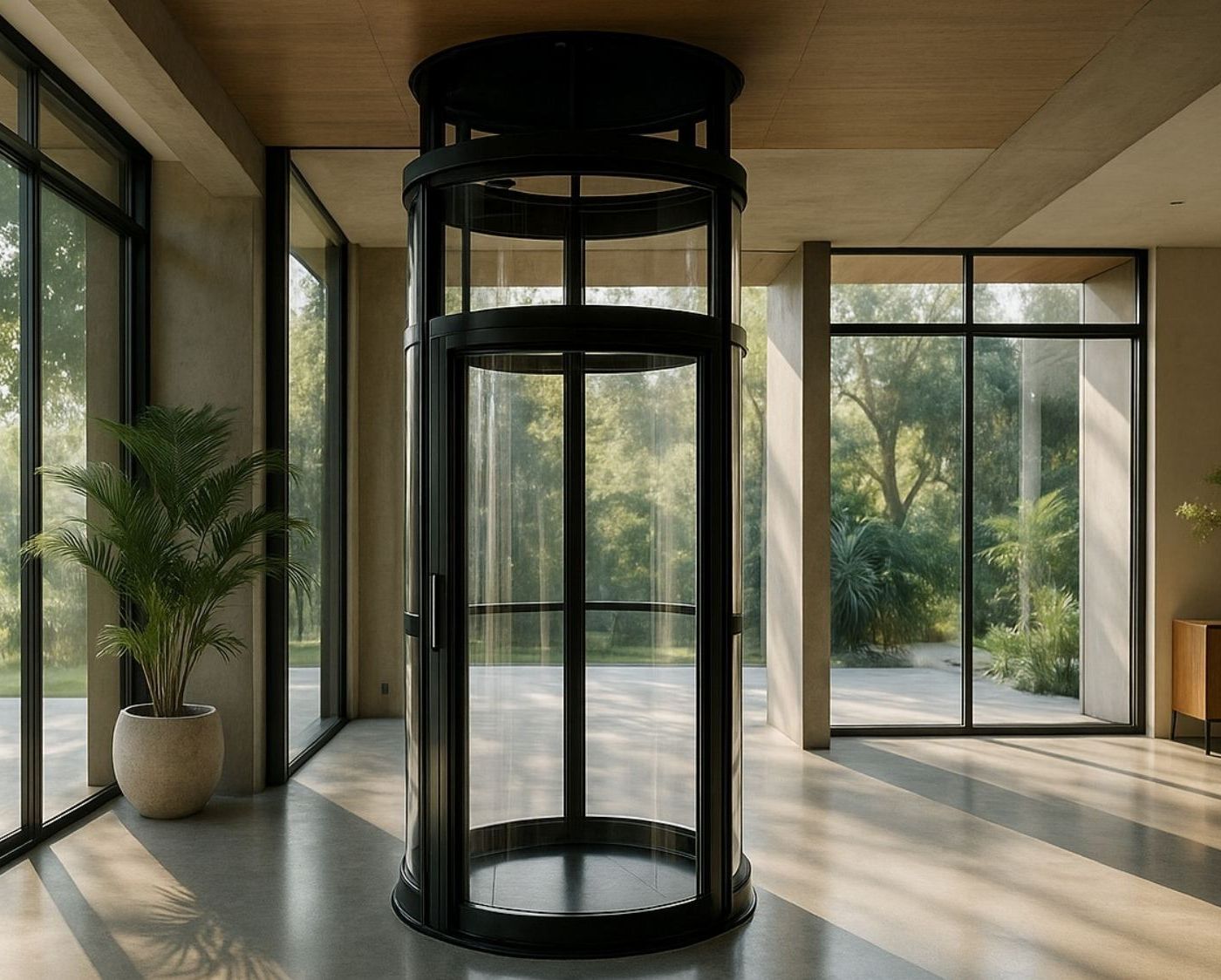
In some projects, visually striking solutions such as panoramic elevators enhance architectural design while maintaining full operational performance.
Regional Considerations in the Middle East and Africa
Elevator systems in the Middle East and Africa must address unique environmental and development conditions.
Climate and Usage Intensity
High temperatures, dust, and intensive daily usage are common challenges in many regional cities.
Elevators in these environments must be designed with durable components and reliable cooling systems to maintain consistent performance.
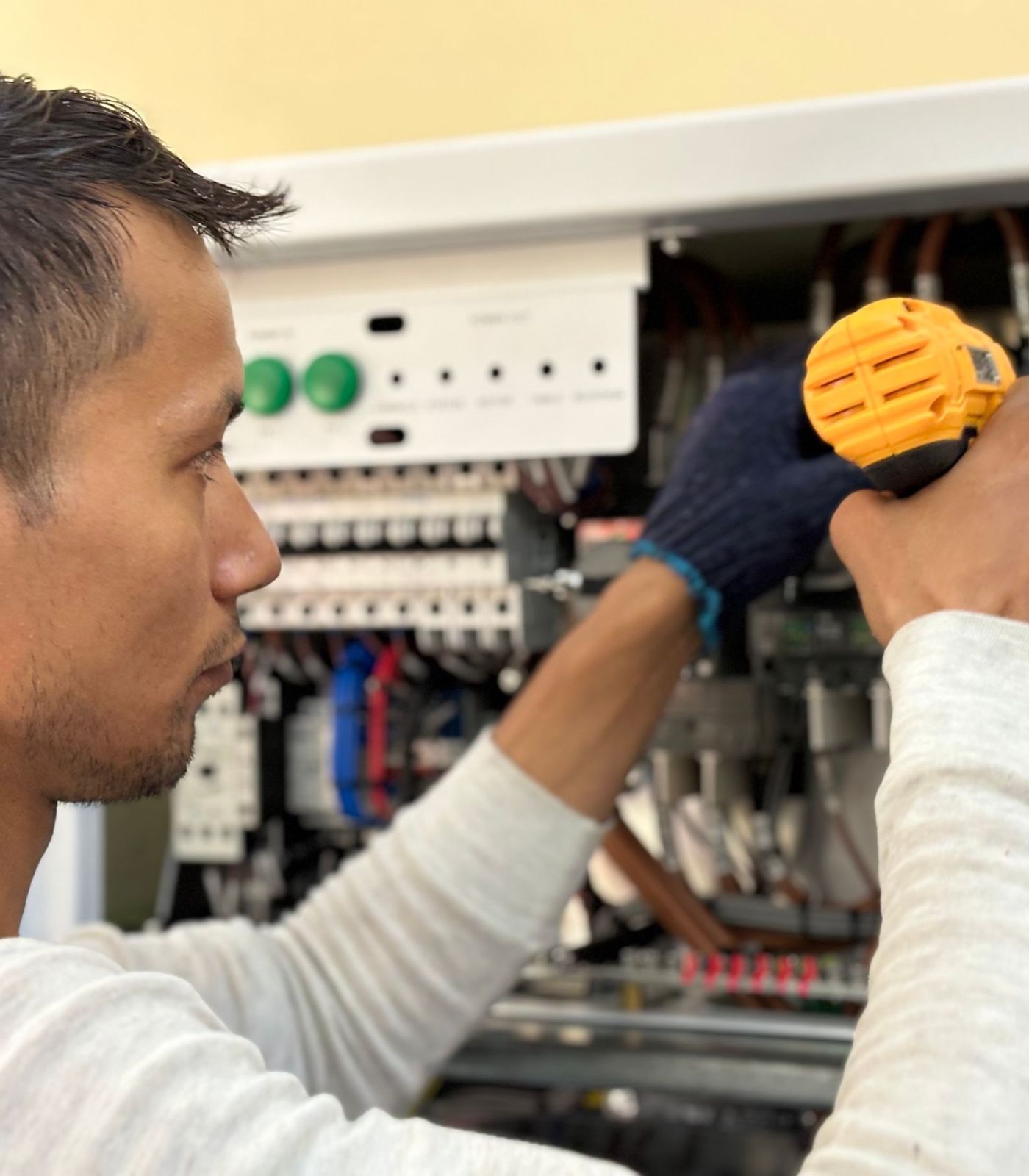
Preventive maintenance is also critical in such conditions. Regular servicing through professional elevator maintenance programs helps extend equipment lifespan and maintain operational efficiency.
Local Regulations and Standards
Elevator installations must comply with local building regulations and safety codes.
Different countries across the Middle East and Africa follow specific requirements related to accessibility, emergency systems, and passenger safety.
Working with experienced manufacturers familiar with regional standards ensures smoother approvals and safer installations.
Mixed-Use and Mega Projects
Urban development across the region increasingly includes mixed-use complexes and mega projects combining residential, commercial, hospitality, and retail spaces.
These developments create complex vertical traffic patterns. Different user groups require separate mobility solutions within the same building.
Advanced zoning systems, access controls, and smart dispatch technology help manage these diverse traffic flows effectively.
Elevator Planning FAQ
When should elevator planning start in a project?
Elevator planning should begin during the early architectural design phase. Integrating vertical transportation at this stage ensures optimal shaft placement, efficient floor layouts, and smoother project coordination.
How do elevators impact floor efficiency?
Elevator shafts and lobbies occupy a portion of the building core. Efficient planning minimizes this footprint while maintaining adequate elevator capacity, preserving valuable usable floor area.
Can planning reduce operational costs?
Yes. Well-planned elevator systems reduce energy consumption, improve traffic efficiency, and minimize wear on components. These factors lower long-term operational and maintenance costs for building owners.
Contact FujiLift to Discuss Your Building’s Vertical Mobility Needs
Effective elevator planning for high rise buildings ensures that vertical mobility supports both building performance and occupant comfort. By addressing elevator strategy early in the design process, developers can create towers that remain efficient and reliable for decades.
FujiLift combines engineering expertise, advanced technology, and regional insight to support high-rise developments across the Middle East and Africa. Contact FujiLift to discuss your project