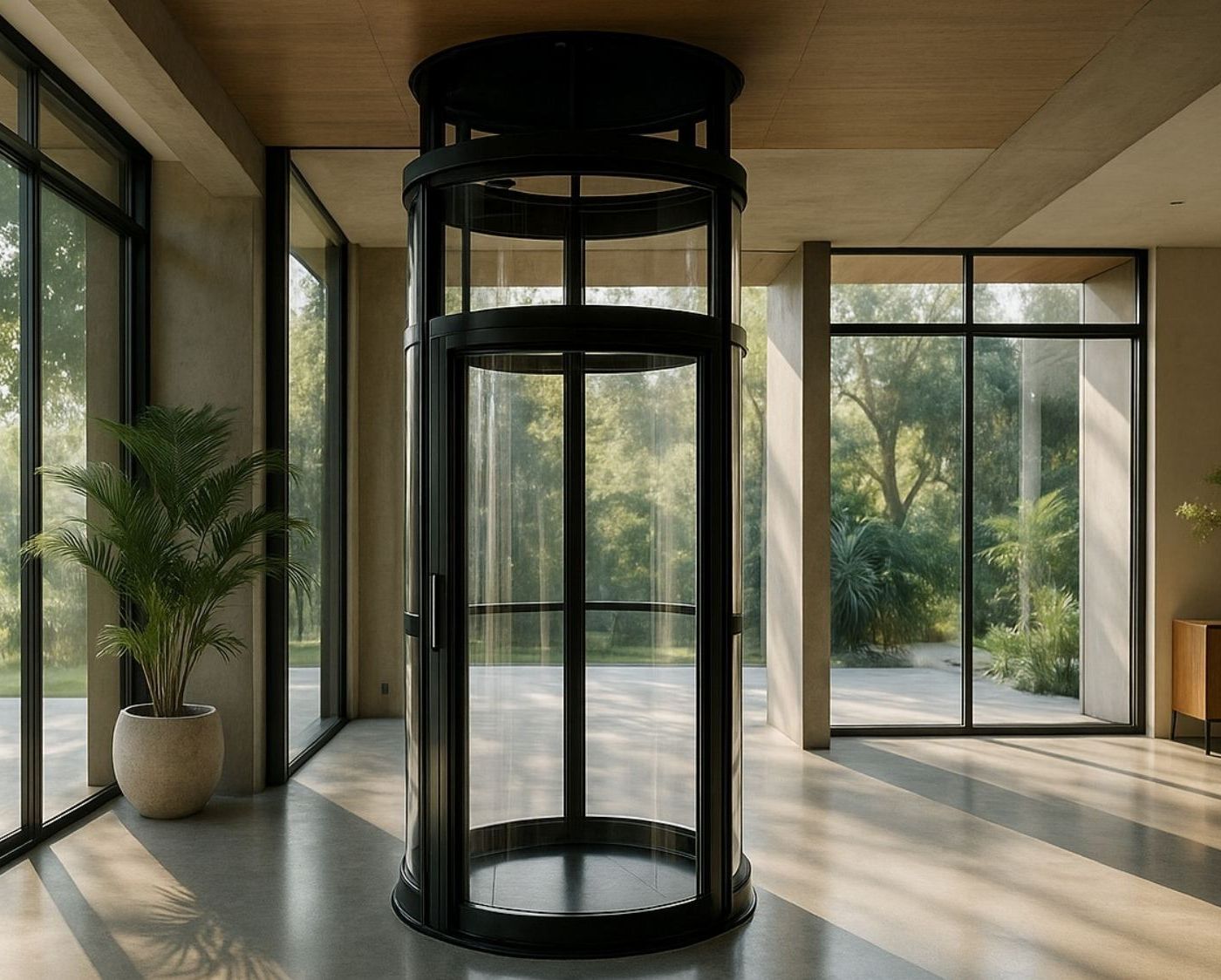

In contemporary architecture, vertical transportation is no longer treated as a purely technical necessity. The panoramic elevator has emerged as a design-driven solution that reshapes how buildings are experienced, perceived, and valued. By combining transparency, engineering precision, and advanced safety systems, panoramic elevators play an increasingly strategic role in modern developments across the Middle East and Africa.
For architects, developers, and contractors operating in dense urban environments such as Beirut, Riyadh, or emerging African capitals, panoramic elevators offer a unique intersection between innovation, functionality, and architectural expression.
The Rise of Panoramic Elevators in Modern Architecture
From Functional Transport to Architectural Statement
Historically, elevators were concealed within building cores, designed to move people efficiently without visual impact. Today, the panoramic elevator reverses that logic. Positioned along façades, atriums, or open shafts, it becomes a visible element of the architectural narrative.
Glass cabins and transparent shafts allow vertical movement to be experienced as part of the building’s spatial composition. This transformation aligns with contemporary architecture’s focus on openness, light, and user engagement, particularly in commercial and mixed-use environments.
Why the panoramic elevator appeals to contemporary design trends
Modern architectural trends emphasize transparency, fluidity, and connection between interior and exterior spaces. A panoramic elevator supports these principles by creating visual continuity across floors while enhancing natural light penetration.
In regions with strong daylight conditions, such as the Gulf or Mediterranean climates, glass elevators contribute to brighter interiors while reinforcing a modern, premium identity. When combined with efficient glazing and solar control technologies, they balance aesthetics with thermal performance.
Alignment with luxury, hospitality, and mixed-use developments
Luxury hotels, high-end residential towers, and flagship commercial buildings increasingly rely on experiential design. In these contexts, the panoramic elevator becomes part of the brand experience rather than a background utility.
From hotel lobbies overlooking atriums to residential towers showcasing city skylines, panoramic elevators support a sense of prestige while maintaining operational efficiency. This alignment explains their growing adoption in hospitality projects across Saudi Arabia and upscale developments in Lebanon.
How Panoramic Elevators Enhance Building Value and User Experience
Visual transparency and spatial perception
Transparency alters how occupants perceive space. By opening vertical circulation to view, a panoramic elevator reduces feelings of enclosure and enhances orientation within large buildings.
In retail centers or office towers, this visibility improves wayfinding and creates a stronger connection between floors. The result is a building that feels more intuitive and visually cohesive, particularly in high-traffic environments.
Impact on user comfort, prestige, and brand image
User experience is increasingly central to building performance. Smooth motion, quiet operation, and visual openness contribute to perceived comfort and quality.
A panoramic elevator also reinforces brand positioning. For developers and building owners, it signals attention to detail, modernization, and investment in long-term asset value. In competitive urban markets, these elements influence tenant attraction and retention.
Panoramic elevator integration in commercial and residential projects
In commercial buildings, panoramic elevators are often integrated into atriums or façades to enhance visibility and foot traffic flow. In residential projects, they are typically used in premium towers or private developments where exclusivity and design differentiation are priorities.
Their adaptability allows them to complement other vertical mobility solutions, such as standard passenger systems or specialized lifts, depending on building scale and usage.
Panoramic Elevator Design Considerations for Architects and Developers
Structural integration and shaft design
Designing for a panoramic elevator requires early coordination between architects, structural engineers, and elevator specialists. Glass shafts demand precise load calculations, vibration control, and alignment with façade systems.
In seismic or high-wind regions, structural integration becomes even more critical. Proper planning ensures long-term performance without compromising safety or visual clarity.
Glass types, finishes, and customization options
Material selection plays a decisive role in both performance and aesthetics. Laminated and tempered glass are commonly used to meet safety requirements while offering clarity and durability.
Customization options extend beyond glass. Cabin finishes, lighting systems, handrails, and control panels can be tailored to match the architectural language of the project, whether minimalist, industrial, or luxury-oriented.
Safety standards, certifications, and compliance in MEA markets
Safety remains the foundation of any elevator system. In the Middle East and Africa, compliance with international standards alongside local regulations is essential.
A panoramic elevator must meet the same rigorous safety criteria as enclosed systems, including load capacity, emergency braking, fire resistance, and redundancy mechanisms. Working with a manufacturer experienced in regional certification processes ensures smoother approvals and reliable long-term operation.
Panoramic Elevator Applications in the Middle East and Africa
High-rise developments in Saudi Arabia and the Gulf
Saudi Arabia and the wider Gulf region continue to invest heavily in vertical urban development. High-rise towers, mixed-use complexes, and hospitality projects increasingly incorporate panoramic elevators as part of their architectural identity.
In these environments, heat resistance, energy efficiency, and durability are critical. Advanced glazing and optimized drive systems help panoramic elevators perform reliably despite extreme climate conditions.
For taller structures, panoramic systems often complement high-capacity solutions designed for vertical efficiency, such as those used in high-rise developments.
Commercial and residential projects in Lebanon
Lebanon’s urban landscape combines dense city centers with architectural diversity. In Beirut, panoramic elevators are frequently used in commercial buildings, waterfront developments, and premium residential projects seeking differentiation.
Space optimization is a key concern, making compact yet visually impactful elevator solutions particularly valuable. When integrated thoughtfully, panoramic elevators enhance property appeal without compromising functional constraints.
Emerging urban projects across Africa
Across Africa, rapid urbanization is driving demand for modern infrastructure. Cities in Central and West Africa are witnessing increased investment in commercial centers, hotels, and institutional buildings.
In these emerging markets, panoramic elevators serve as symbols of modernization and quality. Their visibility reinforces a project’s contemporary positioning while supporting efficient vertical circulation in multi-story structures.
Explore FujiLift’s Panoramic Elevator Solutions for Your Next Project
As a premium elevator manufacturer serving the Middle East and Africa, FujiLift develops panoramic elevator systems that combine architectural flexibility, advanced safety, and long-term reliability.
FujiLift’s solutions are engineered to integrate seamlessly into diverse building typologies, from commercial atriums to high-end residential towers. Each system is designed with regional conditions in mind, ensuring performance in demanding climates while meeting international safety standards.
To learn more about dedicated solutions, explore FujiLift’s panoramic elevator systems or review how they complement advanced passenger elevator installations across varied projects. For insight into real-world applications, FujiLift’s experience across the region is reflected in its growing portfolio of complex developments.
For architects, developers, and contractors seeking to integrate innovation, design, and safety into their next project, FujiLift offers the technical expertise and regional knowledge required to deliver enduring vertical mobility solutions.