
Why Elevator Certification Matters for Modern Buildings
Ensuring Passenger Safety and Reliability
Elevator certification is the foundation of passenger safety and operational reliability. In urban developments across the Middle East and Africa, where vertical mobility is critical to modern infrastructure, certified systems ensure that elevators meet strict safety, performance, and emergency standards. A certified elevator is one that has undergone rigorous design testing, mechanical inspection, and safety validation, reducing the risk of malfunctions and ensuring a seamless passenger experience.
For premium buildings, such as commercial towers or luxury residences, safety-certified elevators are not just a requirement but a mark of professionalism and trustworthiness. They reflect a developer’s commitment to protecting both users and property.
Building Trust with Architects and Developers
Architects and developers rely on elevator certification to validate that a system aligns with international quality and safety benchmarks. A certified product simplifies the approval process during construction and demonstrates compliance with local building codes and international norms. It also facilitates collaboration with regulatory bodies and insurers who require documented safety standards before project approval.
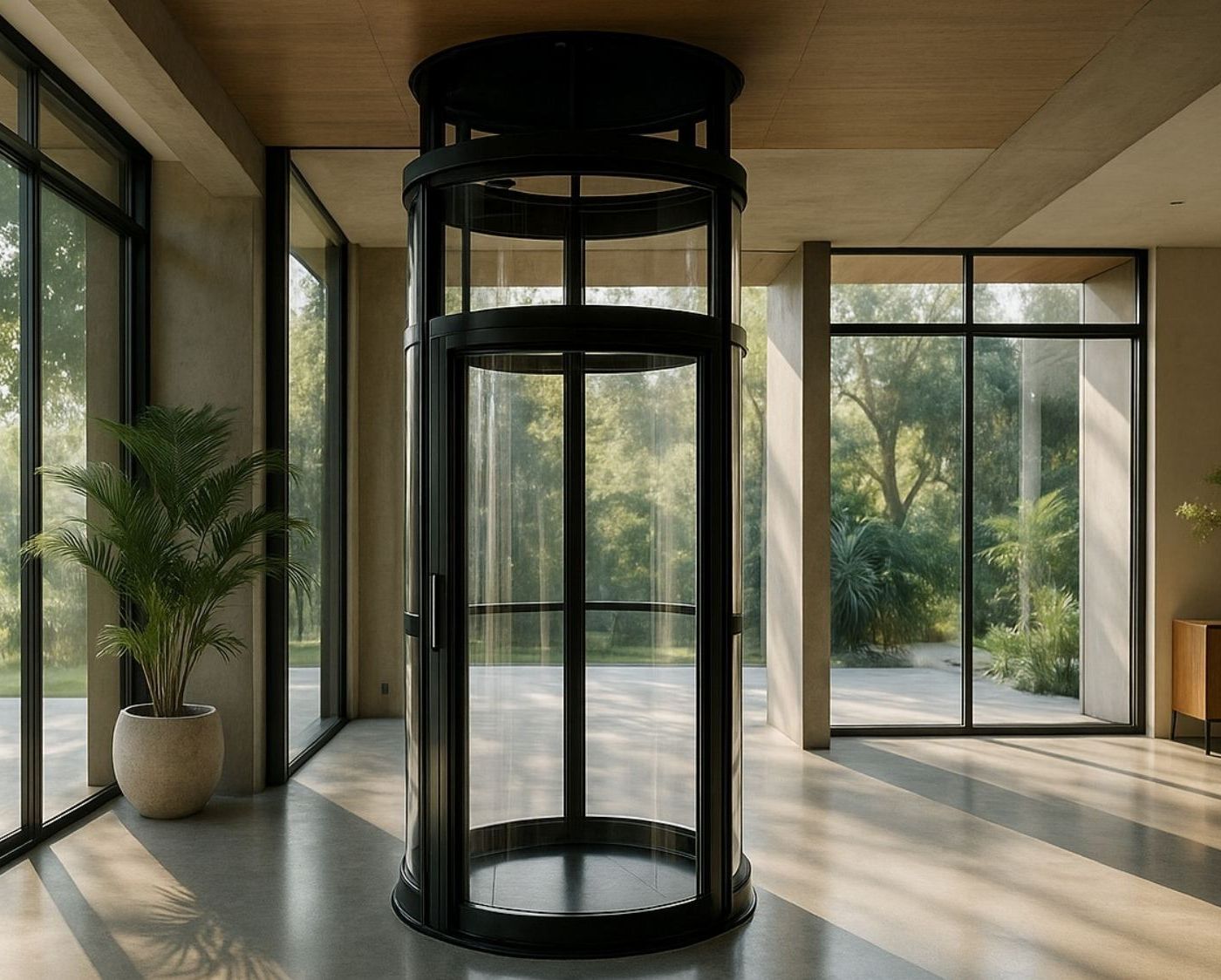
In high-growth cities like Riyadh, Beirut, and Kinshasa, certification has become a critical differentiator. It reassures all stakeholders that elevators, whether passenger elevators or panoramic elevators, are safe, efficient, and future-ready.
Long-Term Cost and Maintenance Advantages
Beyond initial compliance, certified elevators often provide long-term operational savings. Certified systems tend to have lower maintenance needs, longer lifespans, and better compatibility with modernization upgrades. They allow building owners to reduce liability risks and optimize maintenance costs through predictable performance and fewer service disruptions.
Key Elevator Certification Standards Worldwide and in the Middle East & Africa
Overview of EN, ISO, and ASME Standards
Globally recognized certification standards, such as EN 81 (Europe), ISO 25745 (energy efficiency), and ASME A17.1 (North America), form the backbone of elevator safety. These frameworks regulate everything from mechanical integrity to emergency response systems, ensuring consistency across borders. For architects and contractors, compliance with these standards means assurance that their projects meet global benchmarks for safety and sustainability.
Regional Regulations in Saudi Arabia, Lebanon, and Africa
In Saudi Arabia, elevator systems must adhere to the Saudi Standards, Metrology, and Quality Organization (SASO) guidelines, ensuring alignment with both local and international criteria. Lebanon enforces European EN standards through municipal inspection systems, while African nations like Congo are increasingly adopting international frameworks to standardize infrastructure development.
As cities in these regions continue to grow vertically, harmonizing certification processes across borders becomes essential to guarantee consistent safety standards.
Certification Bodies and Their Roles
Accredited organizations and independent inspectors play a pivotal role in the certification process. They oversee mechanical testing, documentation review, and on-site inspections. Certification bodies ensure that each elevator, from design to installation, meets all safety parameters before being approved for public use. Their ongoing audits reinforce accountability for both manufacturers and contractors.
The Elevator Certification Process Explained
Design and Manufacturing Compliance
Certification begins with compliance at the design stage. Engineers must ensure that every mechanical, electrical, and structural component aligns with international and regional safety codes. For manufacturers like FujiLift, this involves advanced modeling, material testing, and performance simulations to anticipate real-world conditions, from temperature fluctuations in the Gulf to power variability in African markets.
Installation, Testing, and Inspection Procedures
Once manufactured, elevators undergo a comprehensive testing phase before installation approval. This includes load testing, braking performance evaluation, and inspection of safety gear. Independent auditors and local authorities verify documentation and conduct final site inspections to ensure every component meets certification standards.
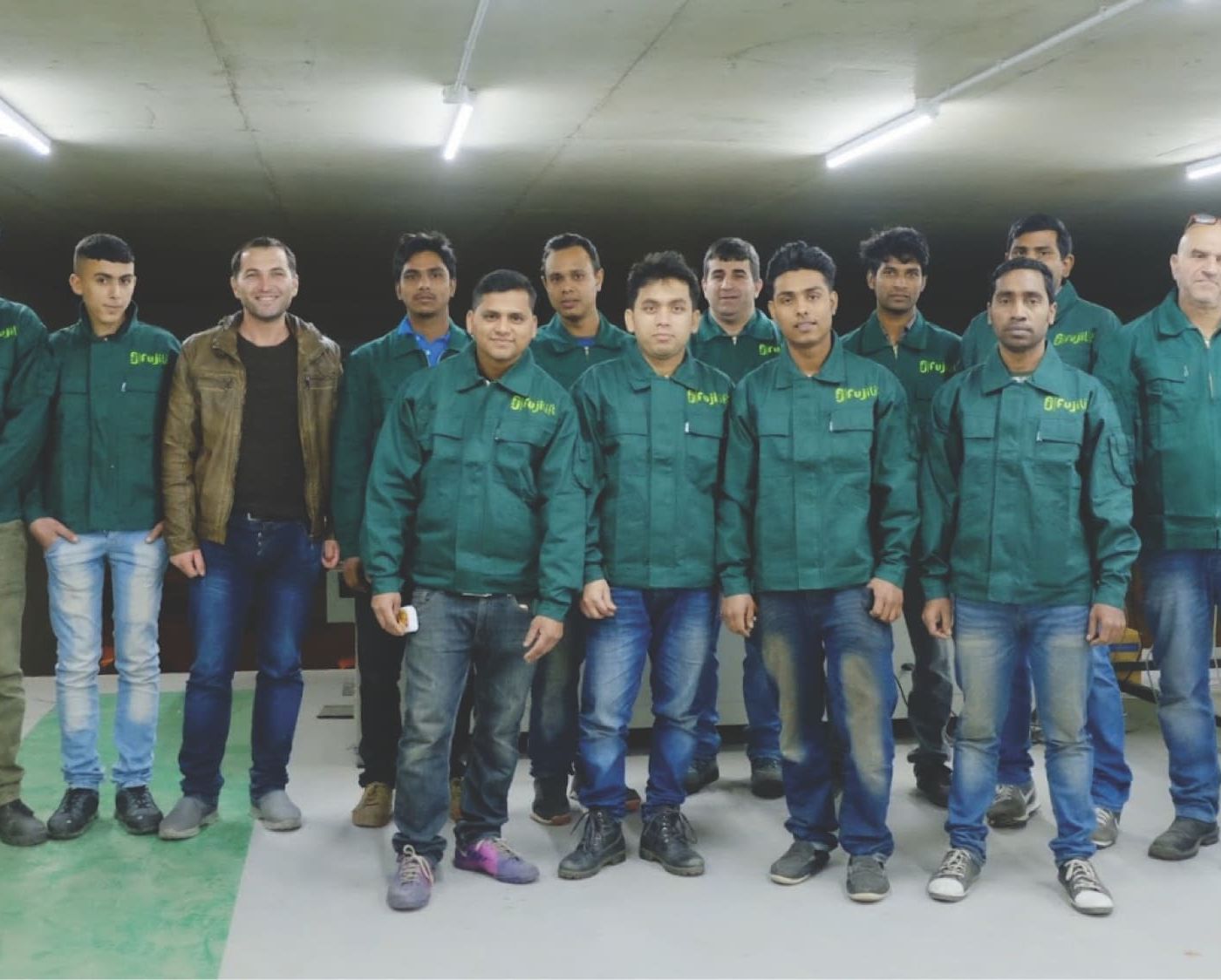
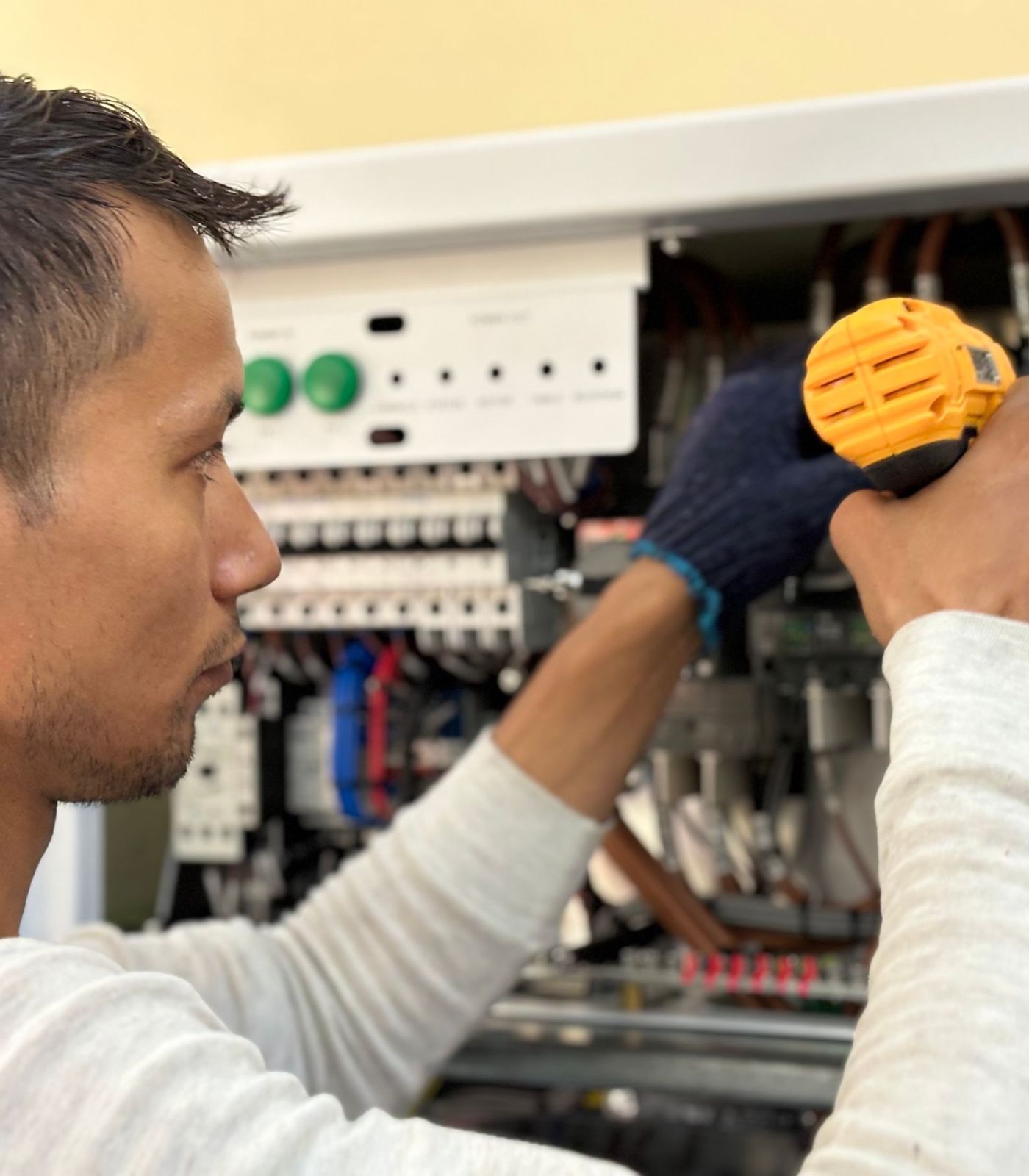
At FujiLift, certified technicians manage installation with precision, ensuring full compliance from the first bolt to the final test ride.
Ongoing Maintenance and Recertification
Elevator certification does not end after installation. Periodic maintenance, safety audits, and recertifications are necessary to sustain compliance. In regions with extreme temperatures or high dust exposure, such as Saudi Arabia and parts of Africa, scheduled maintenance is vital for system integrity.
FujiLift’s maintenance services are designed to meet these requirements, ensuring continued reliability and certification adherence throughout the elevator’s lifespan.
How FujiLift Ensures Compliance and Quality Across All Elevators
In-House Manufacturing and Quality Control
FujiLift controls every aspect of the production cycle, from design to assembly, ensuring that each elevator adheres to the latest international safety and energy-efficiency standards. The company’s in-house manufacturing facilities utilize precision engineering, advanced materials, and smart automation to guarantee consistent quality across all product lines, from high-rise systems to homelifts.
Partnerships with Certified Inspectors and Local Authorities
FujiLift collaborates closely with certified inspection bodies and regulatory agencies throughout the Middle East and Africa. These partnerships ensure compliance with evolving local standards while maintaining global certification benchmarks. Whether it’s coordinating final site approvals or obtaining new country-specific licenses, FujiLift ensures every project meets the required safety thresholds.
Commitment to Innovation and International Standards
Beyond certification, FujiLift invests continuously in research and innovation. The company integrates modern design principles, sustainable technology, and smart control systems into its elevators, positioning itself at the forefront of modernization in vertical mobility. This approach aligns with FujiLift’s commitment to building a safer, smarter, and more energy-efficient future for urban environments.
FAQ: Elevator Certification and Safety Standards
How often should an elevator be recertified?
Most certified elevators require inspection and recertification every one to three years, depending on local regulations and usage. Regular inspections help ensure optimal performance, safety, and energy efficiency.
Who is responsible for compliance—the manufacturer or the building owner?
Both share responsibility. Manufacturers like FujiLift ensure that elevators are built to meet global standards, while building owners must maintain certification through periodic servicing and compliance with maintenance schedules.
Are certifications recognized across different countries?
International certifications such as EN, ISO, and ASME are widely recognized, but local authorities may require additional documentation. FujiLift helps clients navigate these regional requirements to ensure cross-border compliance.
Partner with FujiLift for Certified, Reliable Elevator Solutions
Safety and quality are not optional, they’re the foundation of sustainable building design. Whether you are developing a luxury tower in Riyadh, a residential complex in Beirut, or a commercial hub in Kinshasa, FujiLift delivers elevators that meet the highest global certification standards.
Contact FujiLift today to discuss your next project and ensure your vertical mobility solutions are built for excellence, compliance, and long-term reliability.